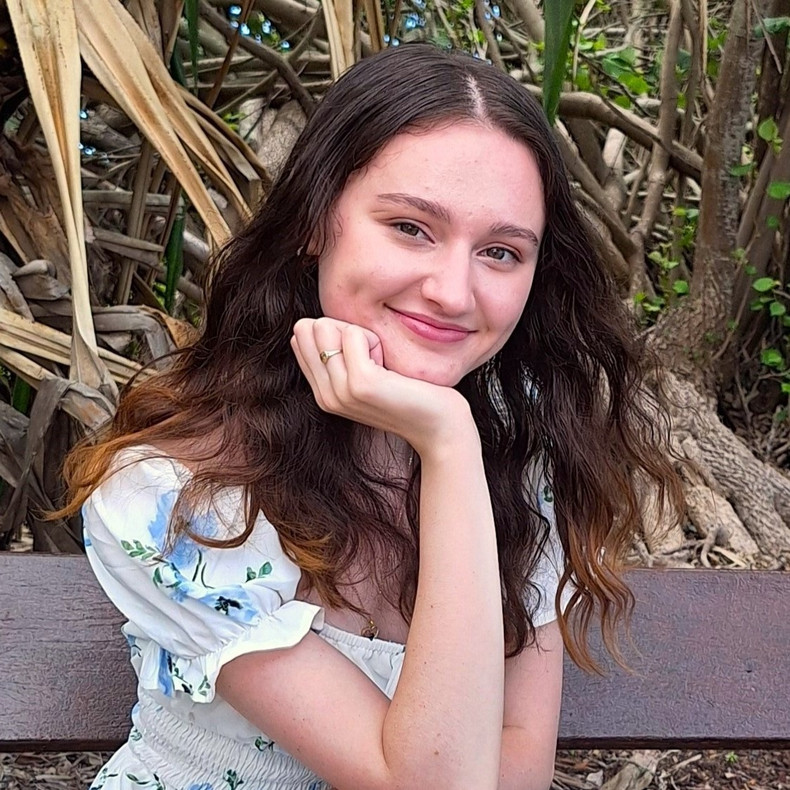
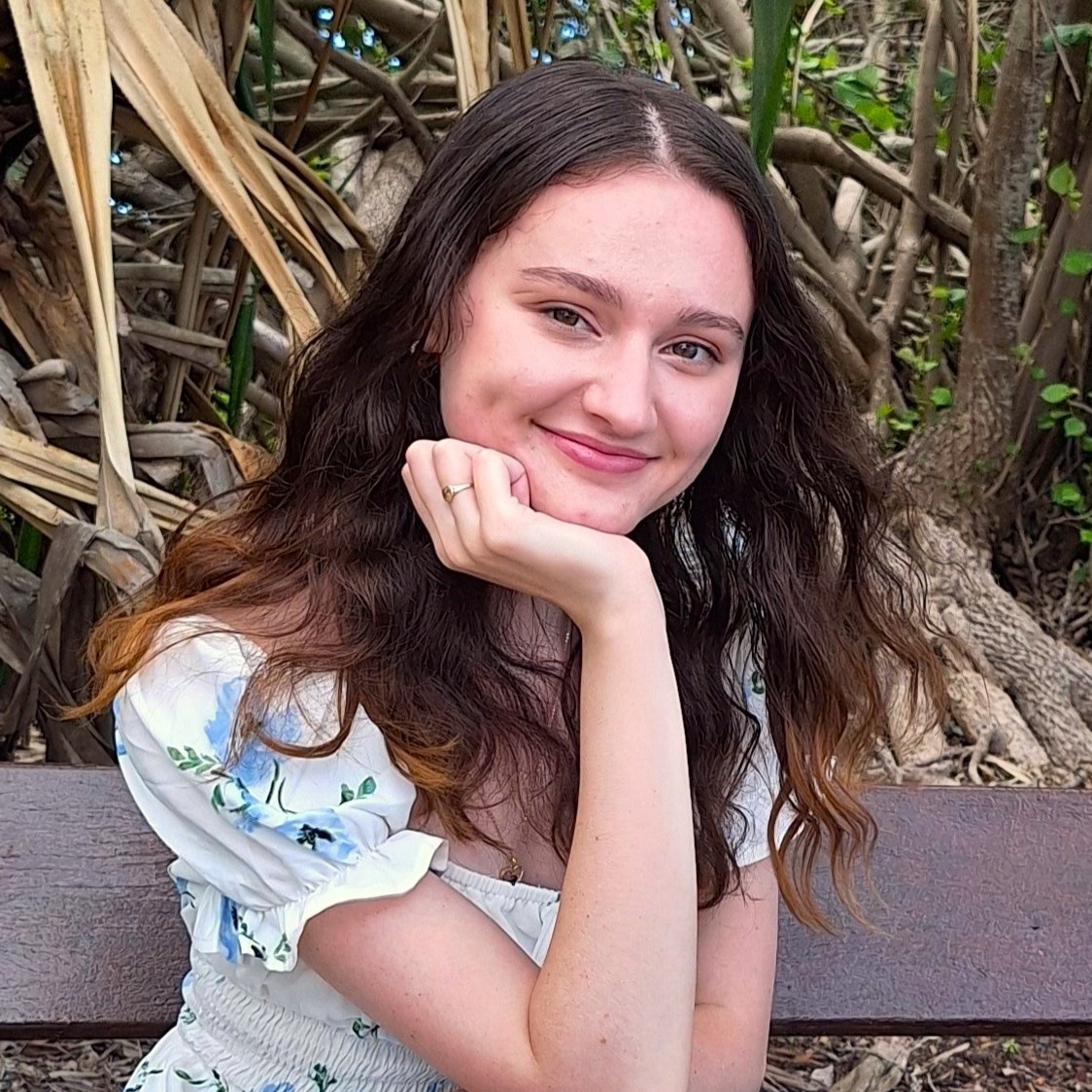
 Today on Meet the Author we’re featuring Shelby Matheson. Shelby is a born-and-raised Australian with a Bachelor in Creative Writing and a post-grad in Editing and Publishing from USQ. She’s been writing full-length novels since she was 14. When she’s not writing, she’s reading, gaming, drawing, crocheting and definitely daydreaming.
She is the author of the Elsewhere books, a fun fantasy adventure series for middle-grade to young adult readers centred around World War I and its role in history.
Which character in your story do you identify with most?
Elsie Clarke, the main character in Elsewhere and Somewhere. She’s a sweet girl who’s just trying her best but often doesn’t think before she speaks and gets herself into trouble, despite her best intentions. She’s an avid reader, a passionate writer, has a deep love of words and storytelling, and she likes imparting her wisdom to others. She’s also very hard on herself, always pushing herself to be a better person until she feels like nothing she does is ever enough. Elsie is by no means based on me, but I definitely see aspects of myself in her character and I relate to her a lot.
Did you do any research for your book and did it help you get a better feel for writing it?
As the Elsewhere series is set during World War I, I had to do a lot of research, not just on the war itself but the culture of the time. I scoured through internet articles, cross-checked dates, dredged up archived newspapers, read novels, looked at old pictures, anything to give me a better understanding of what the world was like in 1914 and the events of World War I from start to finish.
There were some especially significant events of the war that I wanted to include in my series. For example, the bombing of 16 Alkham Road on 31 May 1915. This was the first official bombing of London by a Zeppelin aircraft, and it served as the perfect opening to book two, Somewhere. It was an interesting challenge to look at World War I through the eyes of an eleven-year-old and how it would impact her adolescent years. Writing this series also gave me a better appreciation for world history and an understanding of how these big events shaped the world we live in today.
What types of books do you write?
While I would like to write some adult books someday, I always gravitate to writing middle-grade and young adult books in the genres of fantasy, science fiction and contemporary. I love the light-hearted tone that comes with younger books, the fun and whimsy, the exploration of growing up and experiencing life for the first time. I like to create imaginative worlds, delve into the minds of my characters and what makes them tick, as well as explore different relationship dynamics—family, friends or romantic. And I love finding ways to include topics I’m passionate about in my works, such as the environment, social and political issues, and above all, mental health and anxiety.
Before you start writing a book, do you have the plot and the characters all worked out or do you not know how the story is going to unfold until you’re finished?
A lot of my best stories start with an image. I’m a visual person and I like to be able to see my story in my head before I start writing. Sometimes an image will just come to me, or maybe a good title, and I’ll work out a story based around it. One of the first big steps is always character creation. Having a better idea of the characters helps me to ground the story and give me an idea of whose perspective I’m writing from, why their journey matters and where it’s going to go.
But before I start actually writing, I prefer to have a complete chapter-by-chapter breakdown done so I have a rough idea of what the final product might look like. This allows me to put everything in the correct order and find inconsistencies before I even start writing. Often, issues will arise during the writing process that I never could have predicted and editing will still be needed but having that initial structure to follow makes writing the novel a more streamlined process.
What genres do you read? Do you read more frequently in the genre you write in or avoid it completely?
I read lots of different genres: contemporary, fantasy, science fiction, historical, horror, the classics. For me, it’s not the genre that matters but the premise. If the concept feels unique—like nothing I’ve ever seen before—then I just HAVE to read it. But I always come back to middle-grade and young adult because those are the books that have had the biggest impact on me, that have shaped my personality and passions, and are a safe space for me when the world starts to get a little frightening. And because it’s what I most like to read, it’s no surprise that it’s what I most like to write too.
How important is it to read books when you want to be an author?
Reading is hugely important. I wouldn’t know half of what I know about writing today if I hadn’t been a reader my whole life. Reading can teach you a lot about narrative structure and flow, character arcs and development, what makes for good dialogue versus bad, but it can also teach you a lot about book marketing: what genres are trending, what cover designs sell best, how to write an enticing blurb to bring in readers. These are all things you can learn from courses and experts, but reading is the best place to start. And if you’re intending to write within a certain genre, it’s best to have read that genre first, so you understand the tropes and hallmarks that readers have come to expect.
It’s wonderful to be unique and stand out from the crowd but genre expectations matter, especially when marketing your book, and the best way to learn these expectations is to read the genre for yourself.
What advice would you give to writers just starting out?
There’s so much advice that can be given to a newbie writer that it can often be overwhelming. For instance, how to write believable characters, fleshed-out worlds, realistic dialogue and so on. But I think if you’re a new writer working on your very first project, the best advice is this: don’t overthink it. Just keep going. I’ve seen people get caught up on editing before they’ve even finished the book and as a result, the book is never finished. They start over before they’ve even reached the end.
In my experience, the best thing was to keep going and only when I had a finished first draft did I go back and figure out what needed to be reworked. If your book is like a house, then laying a solid foundation down first means your final manuscript will be that much stronger.
Have readers ever contacted you? If so, tell us the best thing they’ve said to you.
I’ve had a few lovely emails from young readers letting me know they enjoyed Elsewhere and Somewhere and can’t wait for book three in the series. I’ve had older people tell me they loved reading my books with their children or grandkids. I also met with a young girl who was one of my first readers and I gifted her a crocheted Elsie doll so she’d have something that nobody else has.
But one of the best interactions was at my second year at FraserPOP. A woman told me that her niece had bought Elsewhere the year before and showed me a photo of her niece dressed up as Elsie Clarke for Book Week, which was super-special!
You can find out more about the Elsewhere series here: https://wombatrhiza.com.au/elsewhere-somewhere
You can follow Shelby on her website or social media here:
Website: http://www.shelbymathesonbooks.com/
Instagram: https://www.instagram.com/shelbymathesonbooks/
Threads: https://www.threads.net/@shelbymathesonbooks
TikTok: https://www.tiktok.com/@shelbymathesonbooks