
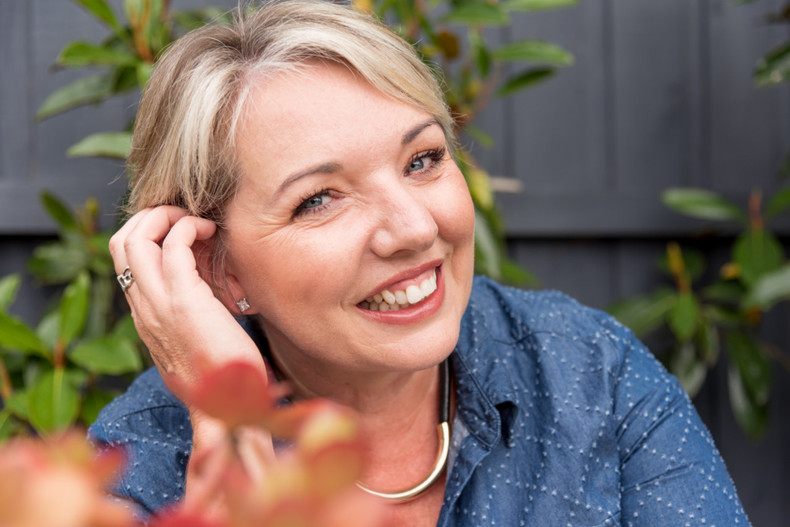
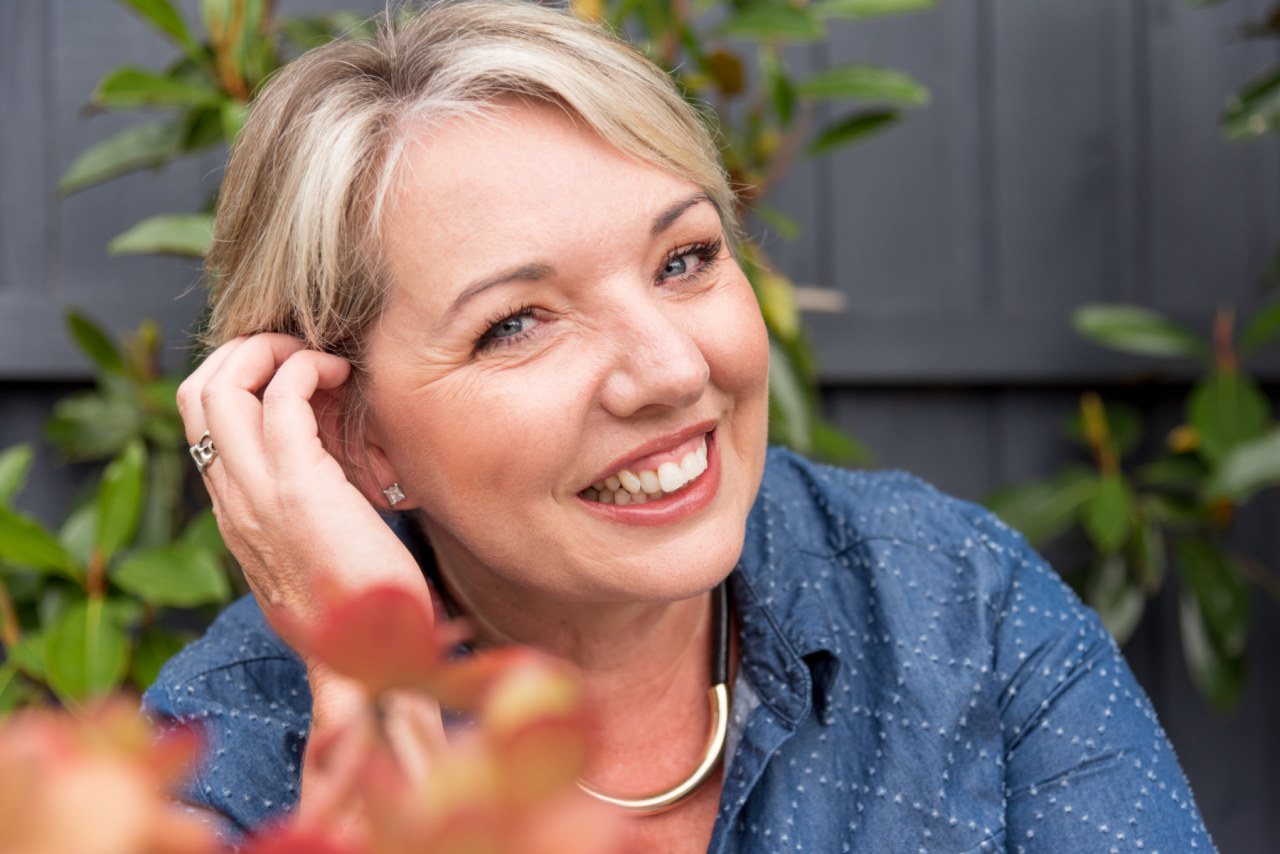
 Today on Meet the Author we’re featuring Rebecca Fraser. By day, she’s a library officer. By night, she writes award-winning fiction for children and adults. Her latest release is Stray, one of the Rhiza Shorts series, which tells the story of Charli. When the pressure of Year 10 exams pushes her to breaking point, she rebels—hard. Then she's handed one last chance to turn things around: two weeks of community service at Rosevale Animal Rescue Centre. Stray is an emotionally rewarding contemporary Australian story about pressure, mistakes and second chances.
Where did the inspiration for your latest release come from?
At the time of writing Stray (2025), my son was in Year 11. Many of his fellow senior school students were going through exams, and I became interested in how individual students react and respond to the pressure of exams. While some capably handled the study workload and stress, others were almost crippled by anxiety and the pressure they put on themselves to do well. Some had trouble eating or sleeping, some were putting in incredibly long and unsustainable study hours, and others were becoming fretful at the prospect of what they perceived to be failure.
Charli’s character was inspired by these observations and reflections combined with a ‘what if?’ scenario of additional pressure coming from parents who had high expectations yet a limited understanding of what their daughter was going through.
Did you do any research for your book and did it help you get a better feel for writing it?
Much of my research for Stray was drawn from real-life experience. Charli’s time at Rosevale Animal Rescue Centre was inspired by my love of animals, particularly those that have been neglected and are in need of love, protection, rehoming and rehabilitation.
Animal Rescue
Several years ago, I worked at a boarding kennel and cattery. My experience there formed the basis of the setting, duties and environment Charli finds herself in at Rosevale when she works with the dogs and cats.
The greater part of Rosevale—the barn, fields and other residents such as Toby the Donkey, Ramone the Rooster, and Daisy and Alan the alpacas—are inspired by Brightside Farm Sanctuary, a real-life animal rescue based in southern Tasmania, not far from where my parents live. In Chapter Eleven, when Linda tells Charli about Alan’s rescue, her story is based on an event that actually happened. Alan was a lonely, neglected alpaca who lived in the vacant block of land next to my parents’ house. While they attempted to feed and connect with Alan daily, it was obvious that he was in need of specialised care, so they called Brightside, who came to his rescue. Alan lived out the rest of his years happy to be safe, loved, and in the company of other alpacas. Alpacas have strong herd instincts and suffer from stress and loneliness if kept alone.
Animal rescue centres and sanctuaries, whether fictional like Rosevale or real such as Brightside, do amazing work and deserve all the funding they can get.
Graffiti
I love graffiti in the form of artistic and cultural expression, creative storytelling, and as a way to inspire, empower, educate, inform or entertain. While I was serving on the Arts and Culture Advisory Panel for our local government shire, I had the opportunity to join a workshop focussing on graffiti and street art with the objective of combatting the growing tagging of private property.
Contributors to the discussion included a professor of urban visual and digital culture, as well as two practising graffiti artists, who all added perspective, background and context to the conversation, and broadened my knowledge and understanding of street art.
We have many wonderful examples of graffiti here in Melbourne, as well as commissioned murals and public ‘free spaces’ that are available to artists. Many graffiti artists are supremely talented and I wanted Nudge to be recognised for his ability and vision, as well as his kind heart and courage in his convictions.
Nudge also serves as an example to readers who relate to him and who might not be as academically inclined as Charli, that there are many pathways to success and our school system isn’t necessarily a good fit for everyone. Nudge reminds readers to be kind, be brave, and be true to yourself.
What types of books do you write?
When it comes to writing for a younger readership, I often feel a sense of responsibility. It’s a tough world, and today’s kids have such adult-sized problems. I aim to write books with heart on issues that matter, exploring themes relevant to today’s youth. Many of my books navigate themes such as the shape of grief, courage in the face of adversity, self-worth, self-belief, acceptance and inclusion, social equity, respect for the environment and animal rights.
I occasionally bring shades of darkness into my works for younger readers, but the light always outshines the dark. However, when I write for a clearly defined adult audience, all bets are off!
While I write in other genres, speculative fiction—particularly horror—is one of my true loves. Horror is such a beautifully flexible and versatile genre. You can mix it up with anything. Dark fiction isn’t just an art form. It’s a compass by which to navigate the many different aspects that reflect our own human experience, the experiences of others and the world we move through. It’s a window to carefully twitch the curtain and peek outside or a mirror to hold up to yourself or society.
What do you hope readers will take away from your stories?
While I always have thematic threads woven into my stories, first and foremost, I hope readers are entertained by a good story with characters they care about, told in an authentic voice. For me, the best books are ones that have a lasting resonance, so I always hope a reader finds themselves thinking about one of my stories long after the last page is turned.
What were some of your favourite books growing up?
I was (am!) a voracious and eclectic reader. Some of my favourite books when I was younger include CS Lewis’s Chronicles of Narnia, The Little Round House by Marion St John Webb, The Adventures of Snugglepot and Cuddlepie by May Gibbs, The Adventures of Tin Tin, absolutely anything by Robin Klein and Judy Blume, Follyfoot Farm by Monica Dickens, Grimms’ Fairy Tales and the Pan Book of Horror Stories. My grandparents sent me a Rupert Bear annual from England every Christmas and I loved escaping to faraway lands with Rupert and his Nutwood pals.
My most prized book was a huge volume called Strange Stories, Amazing Facts. It was page upon page of curious incidents, paranormal occurrences, wild history, unusual natural phenomena and jaw-dropping feats of humanity.
Which authors were your best reads in the last couple of years?
I’m loving the literary beauty and magic realism of Robbie Arnott. I recently adored Lily King’s Heart the Lover—a wonderfully raw and real exploration of what it means to have loved and to love. I inhaled Charlotte McConaghy’s stunning Wild Dark Shore. I also love anything with a great twist and psychological suspense, so I have enjoyed recent releases from Christian White, Alice Feeney, Sally Hepworth, Liane Moriarty and Freida McFadden.
In children’s fiction, I love the pacey and emotionally weighty works of authors such as Sarah Armstrong, Tristan Bancks, Karen Foxlee, and Bren MacDibble. Brenton Cullen (a fellow Wombat author) is also putting out some terrific contemporary work, and I’ve been enjoying reading my way through the Rhiza Shorts list that’s been releasing continually over the last two years—great examples of entertaining shorter-form reads for young teens that don’t skimp on plot and character.
What advice would you give to writers just starting out?
I would advise them to read, read, read! Read widely, read often and read forensically. Be a reading detective and try to work out what it is about a particular piece of writing that worked (or didn’t work) for you.
William Faulkner once said, ‘Read, read, read. Trash, classics, good and bad, and see how they do it. Just as a carpenter works as an apprentice and studies the master. Read! You’ll absorb it. Then write.’
I’d also advise them to write, write, write! I know this one seems obvious, but often we do a lot of thinking about writing and talking about writing, instead of getting on with the actual writing. When you write, you flex your creative muscles and exercise the right-hand side of your brain. You build strength in your style, technique and stamina, so give those muscles the workout they deserve.
What is the working title of your next book? Tell us about it.
The Bus in the Paddock. Twelve-year-old Cole is obsessed with buses. He knows routes, engines, liveries and transport history better than most adults. When he discovers a rare retired bus rusting in a paddock on a rural property outside town, he realises it’s one of the last surviving examples of a historically significant Australian model.
The property owner plans to scrap it for metal. Cole becomes determined to save and restore it, despite having no money, little practical knowledge and a reputation for being ‘that weird bus kid’. He rallies the community to help him realise his vision.
The Bus in the Paddock is a contemporary Australian story for a middle-grade readership featuring a ‘bus-mad’ character (inspired by my neurodivergent son, who’s obsessed with buses in every shape and form. We belong to the Bus and Coach Society of Victoria, so we have a good research and reference pool to dip into). The titular bus in question is a 1987 Leyland Tiger inspired by the same model belonging to one of the BCSV members, who restored one for his private collection.
Stray is available now! Find out more about Rebecca's latest release here.
You can follow Rebecca via her website and social media:
- Website: https://rebeccafraser.com/
- Facebook: https://www.facebook.com/rebeccafraserwriter/
- Instagram: https://www.instagram.com/becksmuse/
- LinkedIn: https://www.linkedin.com/in/rebecca-fraser-writer/